Our top pick
Apple
Illustration, not the exact model
#1
Apple 2026 MacBook Pro Laptop
Video editors needing powerful Apple Silicon and high-quality display for color grading
Updated October 18, 2026. We may earn a commission if you buy through our links. Read our affiliate disclosure.
The best laptop for video editing right now is the Apple 2026 MacBook Pro Laptop. A good video editing laptop scrubs the timeline smoothly, exports quickly and shows color accurately, which takes a strong processor and GPU, plenty of memory and fast storage. This list is for video editors and creators, from YouTube content to professional film, working in Premiere Pro, DaVinci Resolve or Final Cut Pro.
Prices change often, so check the current price on Amazon before you buy.
As an Amazon Associate I earn from qualifying purchases.
Our top pick
Illustration, not the exact model
#1
Video editors needing powerful Apple Silicon and high-quality display for color grading
Illustration, not the exact model
#2
Designers who want a large, color-accurate screen and smooth performance
Illustration, not the exact model
#3
Mac users needing strong video editing performance with great display quality
Picks last checked October 18, 2026.
| Rank | Laptop | Best for | Price |
|---|---|---|---|
| 1 | Apple 2026 MacBook Pro Laptop | Video editors needing powerful Apple Silicon and high-quality display for color grading | Check price on Amazon |
| 2 | Apple 2026 MacBook Air 15-inch Laptop | Designers who want a large, color-accurate screen and smooth performance | Check price on Amazon |
| 3 | Apple 2023 MacBook Pro Laptop M3 Pro chip | Mac users needing strong video editing performance with great display quality | Check price on Amazon |
| 4 | 2021 Apple MacBook Pro | Video editors needing a large screen and powerful Apple processor for Mac users | Check price on Amazon |
| 5 | Apple 2026 MacBook Air 13-inch Laptop | UI and visual designers needing a color-accurate compact Mac laptop | Check price on Amazon |
| 6 | Apple 2026 MacBook Air 13-inch Laptop | Designers needing portable Mac with sharp Retina display and smooth Apple M5 performance | Check price on Amazon |
| 7 | Apple 2026 MacBook Air 13-inch Laptop | Light video editing and content creators who need portability and decent power | Check price on Amazon |
| 8 | Apple 2026 MacBook Pro Laptop | Designers needing accurate colors and smooth performance for large projects | Check price on Amazon |
| 9 | Apple 2026 MacBook Pro Laptop | Designers needing color-accurate display and smooth handling of large design files | Check price on Amazon |
| 10 | Apple 2026 MacBook Pro Laptop | Designers needing a bright, color-accurate screen and smooth performance | Check price on Amazon |
| 11 | Apple 2026 MacBook Pro Laptop | Video editors who want high power and a vibrant display for detailed color work | Check price on Amazon |
| 12 | Apple 2025 MacBook Pro Laptop | Professionals needing powerful performance and vibrant display in a portable laptop | Check price on Amazon |
| 13 | Apple 2025 MacBook Pro Laptop | Designers needing accurate color and strong performance for demanding design work | Check price on Amazon |
| 14 | Apple 2026 MacBook Pro Laptop | Professional UI, UX, and visual designers working with large files and color-critical projects | Check price on Amazon |
| 15 | HP Victus 15.6" 144Hz Full HD Gaming Laptop | Video editors needing a mid-range laptop for 1080p editing and basic effects | Check price on Amazon |
| 16 | ASUS ROG Strix G16 Gaming Laptop | Video editors needing strong GPU but can manage with 16GB RAM | Check price on Amazon |
| 17 | ASUS TUF Gaming A16 Laptop | Video editors who need a mid-range laptop with good graphics and display | Check price on Amazon |
| 18 | GIGABYTE Gaming A16 | Video editors needing strong GPU and storage but can manage with 16GB RAM | Check price on Amazon |
| 19 | Acer Nitro V 16S AI Gaming Laptop | Gamers who want a powerful 1080p laptop with high refresh rates for smooth gameplay | Check price on Amazon |
| 20 | ASUS ROG Strix G16 | Gamers seeking smooth 1080p play with fast refresh on a portable laptop | Check price on Amazon |
| 21 | MSI Thin 15.6 inch FHD 144Hz Gaming Laptop | Video editors needing strong graphics for mid-level projects | Check price on Amazon |
| 22 | MSI Thin 15 Gaming Laptop 15.6" FHD IPS | Video editors needing good GPU power but with moderate memory and storage | Check price on Amazon |
| 23 | Lenovo LOQ Gaming Laptop | Gamers needing a decent 1080p experience with mid-range graphics on the go | Check price on Amazon |
| 24 | Apple 2026 MacBook Pro Laptop | Designers needing strong performance and excellent color accuracy on a portable laptop | Check price on Amazon |
| 25 | Apple 2026 MacBook Pro Laptop | Video editors wanting a compact MacBook with strong performance for 4K editing | Check price on Amazon |
| 26 | HP NVIDIA GeForce RTX 4050 Laptop Gamer Victus | Casual video editors who work with Full HD content and need mid-range graphics performance | Check price on Amazon |
| 27 | GIGABYTE Gaming A16 | Video editors needing strong GPU and storage for mid-level 4K editing | Check price on Amazon |
Illustration, not the exact model
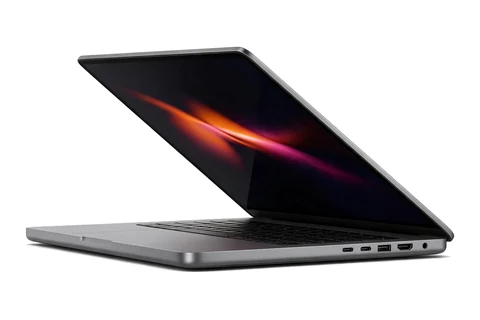
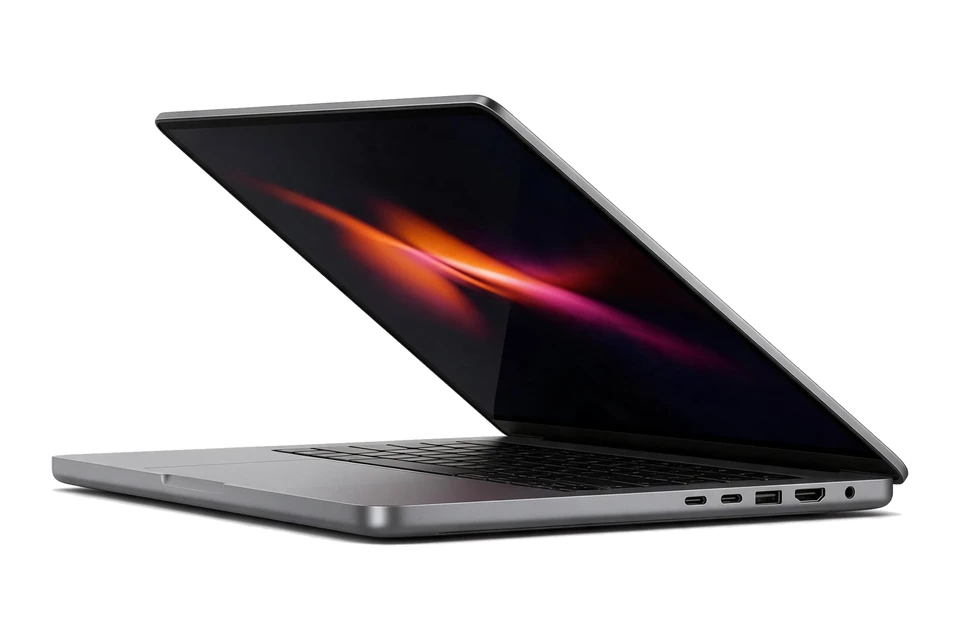
The Apple 2026 MacBook Pro with the M5 Pro chip has a strong 18-core CPU and 20-core GPU that handle complex video editing tasks and effects smoothly. Its 24GB of unified memory supports working with demanding 4K footage. The 14-inch Liquid Retina XDR display provides accurate colors for precise grading. Its 2TB SSD offers fast and ample storage for large video files.
Illustration, not the exact model
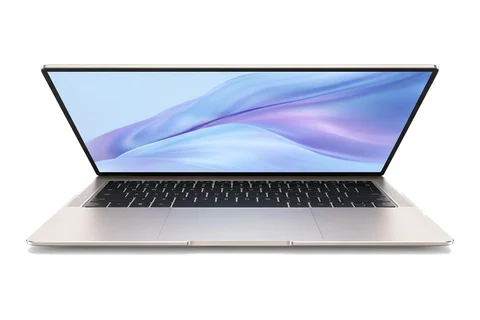
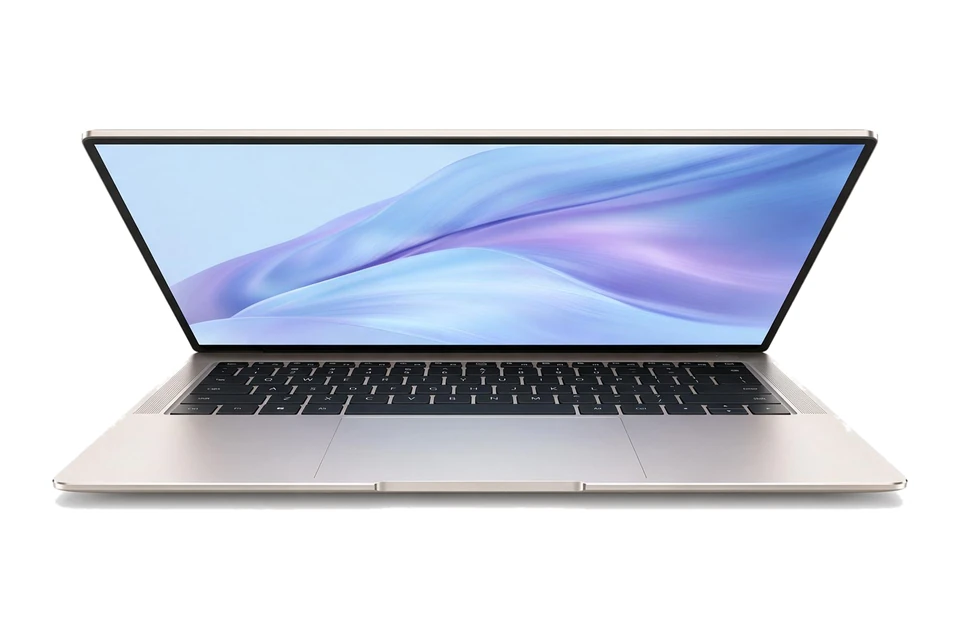
The 15.3-inch Liquid Retina display offers sharp visuals with good color accuracy, important for UI and visual design. The Apple M5 chip and 16GB of unified memory help keep design programs running smoothly, even with multiple layers or artboards. Storage of 512GB SSD provides enough space for design files. Its weight of 3.32 pounds makes it fairly portable for a large screen laptop.
Illustration, not the exact model
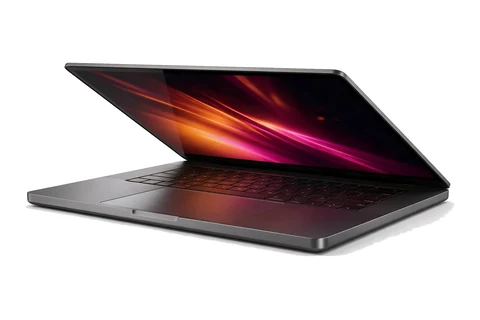
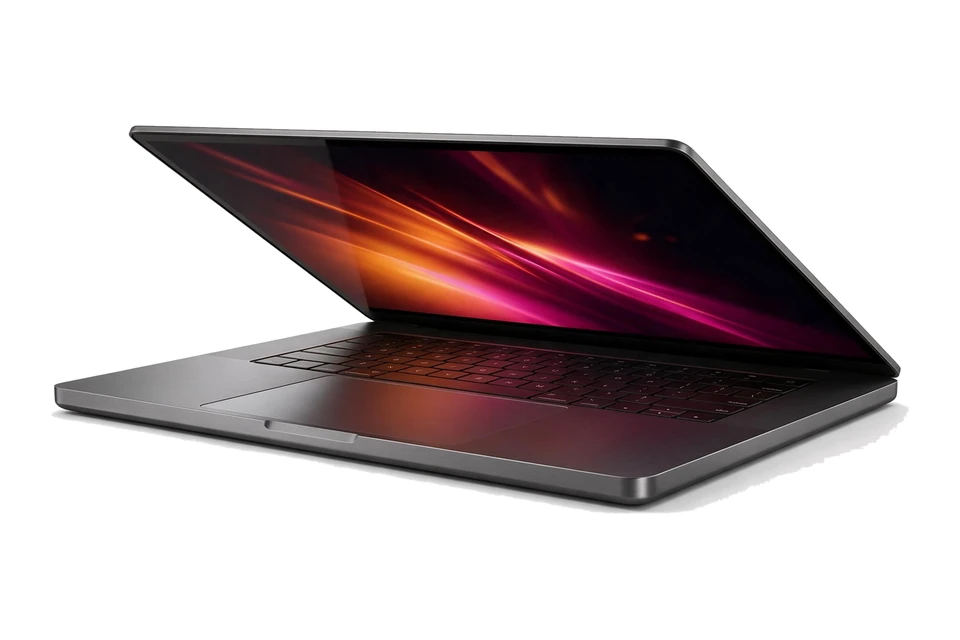
This MacBook Pro has an Apple M3 Pro chip with 11 CPU cores and 14 GPU cores, offering smooth editing and effects acceleration for video projects. The 14.2-inch Liquid Retina XDR screen delivers bright, color-accurate visuals, which is important for color grading. However, 18GB of memory and 512GB of storage may limit handling very large 4K timelines or media libraries.
Illustration, not the exact model
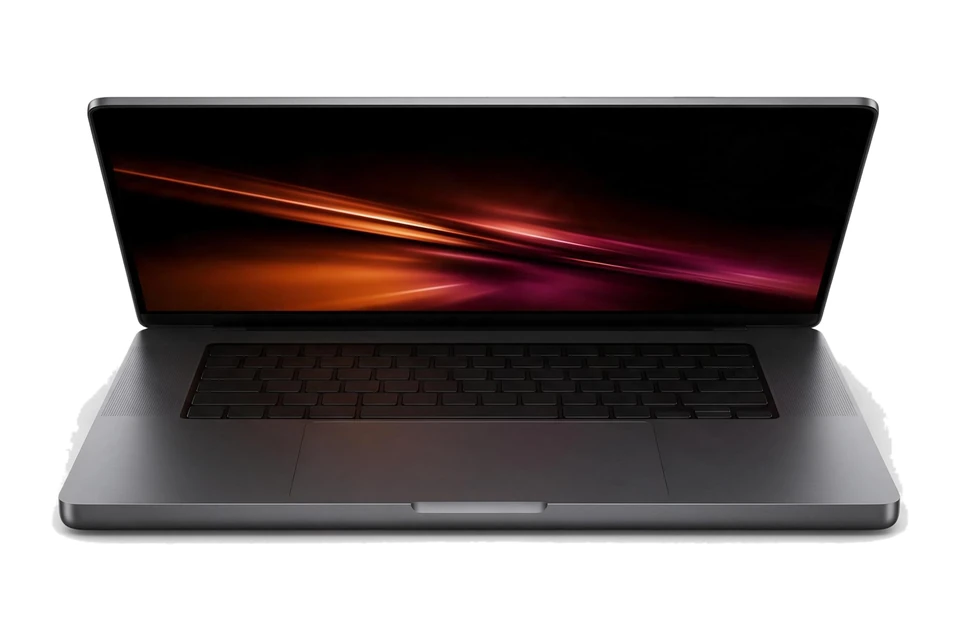
This MacBook Pro has a 16-inch screen that gives plenty of room for editing timelines. It uses Apple’s M1 Pro chip, which handles video tasks with a powerful CPU and GPU. The 1TB SSD makes storing and accessing files quick. However, the 16GB RAM might limit performance with very complex 4K projects or timelines.
Illustration, not the exact model
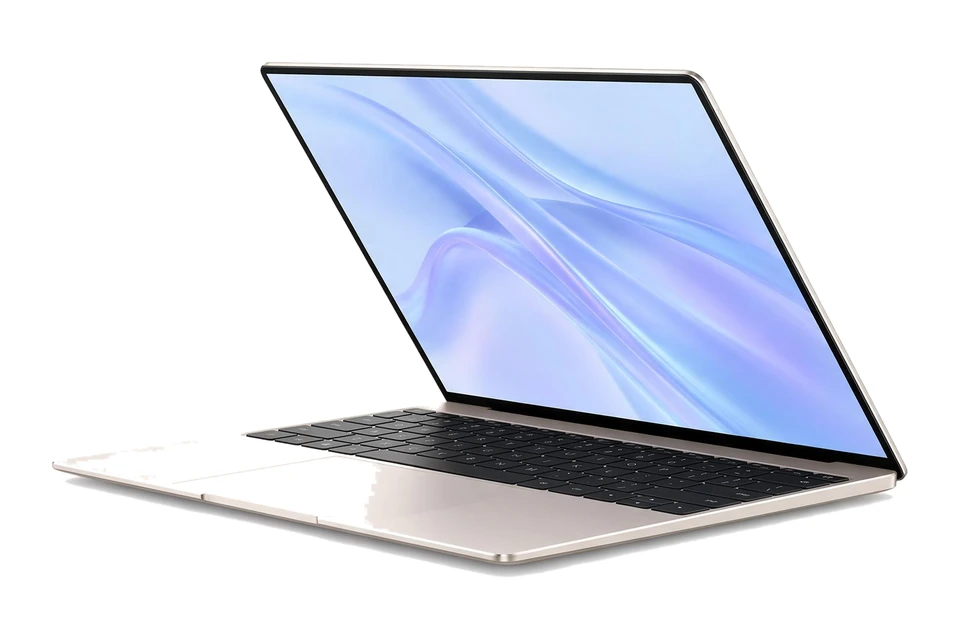
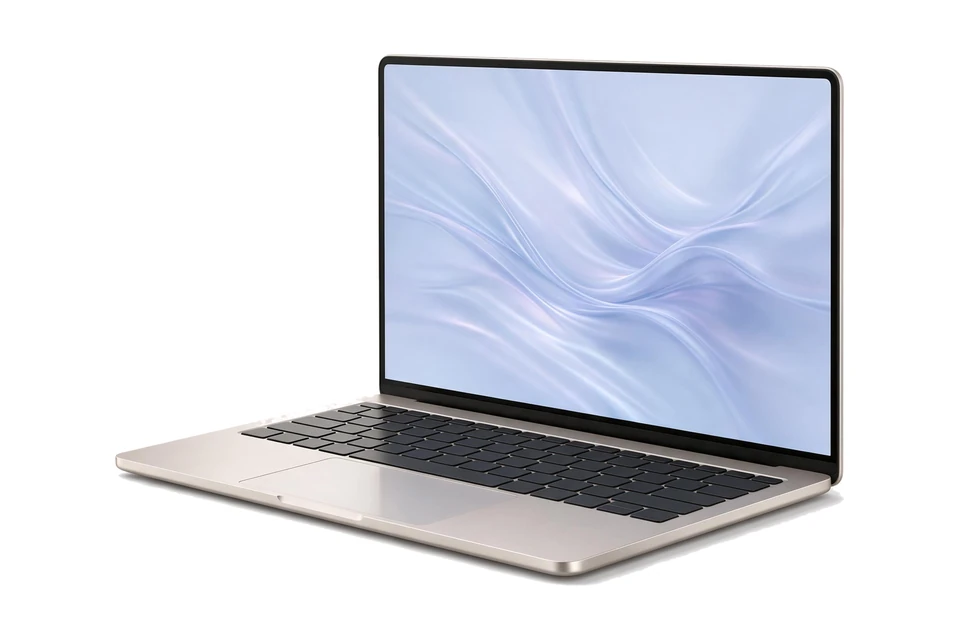
The Apple 2026 MacBook Air features the M5 chip and 16GB of memory, ensuring smooth handling of design software like Photoshop and Illustrator. Its 13.6-inch Liquid Retina display is sharp and color-accurate for reliable color work. Lightweight and easy to carry, it suits on-the-go creatives. Storage space is 512GB, good for moderate file collections.
Illustration, not the exact model
The Apple 2026 MacBook Air 13-inch has a clear 13.6-inch Liquid Retina display that shows colors accurately. It has 16GB memory which helps with handling design files and an Apple M5 chip for smooth responsiveness in your design software. At just 2.71 pounds, it is easy to carry, though the screen size may feel small for detailed work.
Illustration, not the exact model
This Apple MacBook Air has the M5 chip and a bright 13.6-inch Liquid Retina display, good for clear visuals. It comes with 16GB of memory and 1TB of fast storage, which handle typical editing tasks well. The lightweight design makes it easy to carry, but it may not manage very complex or 4K video projects smoothly due to limited RAM compared to pro models.
Illustration, not the exact model
The Apple MacBook Pro with the M5 Pro chip has a 14.2-inch Liquid Retina XDR display that delivers bright, color-accurate images suitable for design work. Its 24GB of memory supports handling large files and multiple apps at once. The integrated 16-core GPU helps with rendering visuals smoothly. 1TB of SSD storage provides ample space for design files and software.
Illustration, not the exact model
The Apple 2026 MacBook Pro comes with a 14-inch Liquid Retina XDR display that shows colors precisely, which is important for design work. It has 24GB of memory, helping to manage large files and multitasking smoothly. The Apple M5 Pro chip with a 16-core GPU offers strong performance for handling complex visuals and AI tasks. The 1TB SSD provides fast storage and plenty of space for projects.
Illustration, not the exact model
With a 16.2-inch Liquid Retina XDR display, this MacBook Pro provides sharp, color-accurate visuals suitable for detailed design work. The Apple M5 Pro chip with 18 CPU cores and 20 GPU cores delivers fast, responsive performance for handling large files and complex projects. Its 24GB of unified memory helps keep multiple apps and layers running smoothly, and the 1TB SSD offers plenty of workspace storage.
Illustration, not the exact model
Equipped with the Apple M5 Pro chip, this laptop provides fast processing with an 18-core CPU and 20-core GPU suited to video editing tasks. The 24GB of unified memory helps handle complex timelines smoothly. Its 16-inch Liquid Retina XDR display offers vibrant, accurate colors important for grading. A 1TB SSD supplies ample and speedy storage for video files.
Illustration, not the exact model
Equipped with Apple's M5 chip and 16GB of unified memory, this MacBook Pro handles demanding work tasks smoothly. Its 14.2-inch Liquid Retina XDR display delivers sharp and vivid visuals, useful for detailed presentations and creative projects. The 1TB SSD offers ample, fast storage ideal for business files. Weighing just 3.41 pounds, it is easy to carry for travel and commuting.
Illustration, not the exact model
This Apple 2025 MacBook Pro is strong in color accuracy with its 14.2-inch Liquid Retina XDR display, which helps ensure colors appear consistent. The Apple M5 chip delivers smooth performance for handling complex design files and multitasking. It includes 16GB of unified memory to support larger sessions and a 1TB SSD for ample storage. Its weight is reasonable for portability.
Illustration, not the exact model
The Apple 2026 MacBook Pro has a 14-inch Liquid Retina XDR display that offers high resolution and excellent color accuracy for precise design work. Its 32GB memory handles large files smoothly, and the Apple M5 chip with a 10-core CPU and GPU ensures fast performance during multitasking and exports. The 1TB SSD provides ample storage for design assets. The laptop is lightweight enough for portability.
Illustration, not the exact model
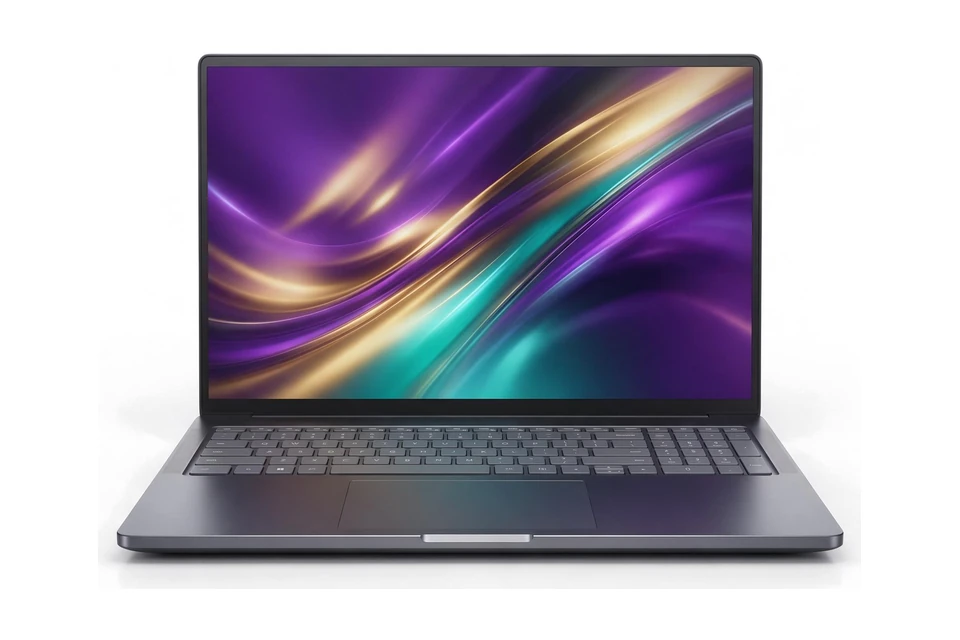
This HP Victus offers a Ryzen 7 processor and NVIDIA RTX 4050 GPU to handle video editing tasks and GPU-accelerated effects. Its 16GB of RAM and 512GB SSD provide decent multitasking and storage for moderate projects. The 144Hz Full HD screen is good for smooth playback though it may lack color accuracy for precise grading. It weighs 7 pounds, which could affect portability.
Illustration, not the exact model
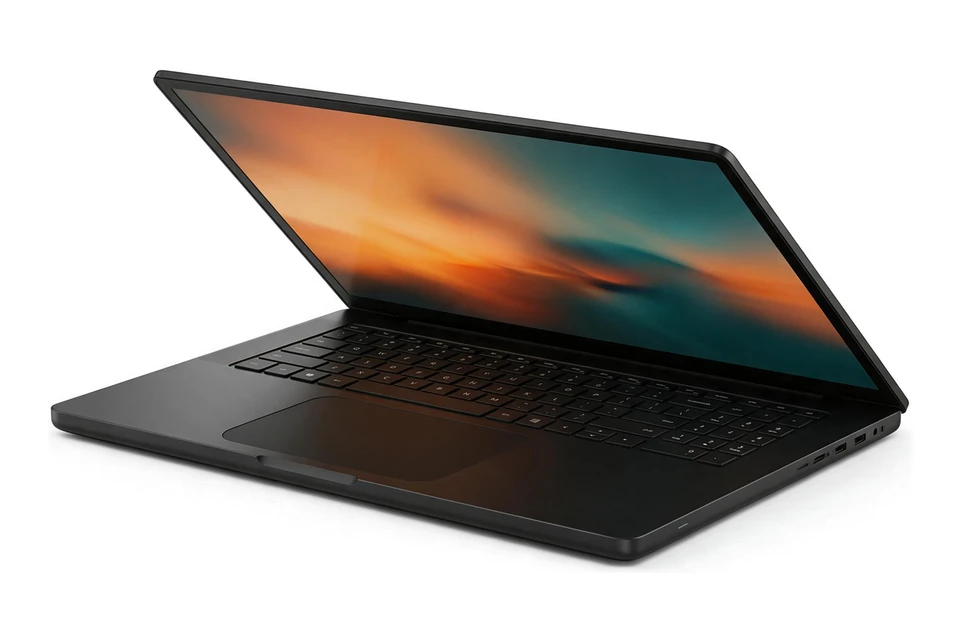
This laptop has an Intel Core i7 processor and an NVIDIA RTX 4060 GPU, which helps with smooth editing and rendering. The 1TB SSD allows quick access to large video files. The 16-inch 165Hz screen offers smooth visuals. However, its 16GB memory might limit handling complex 4K timelines, and the battery life is short for long editing sessions away from power.
Illustration, not the exact model
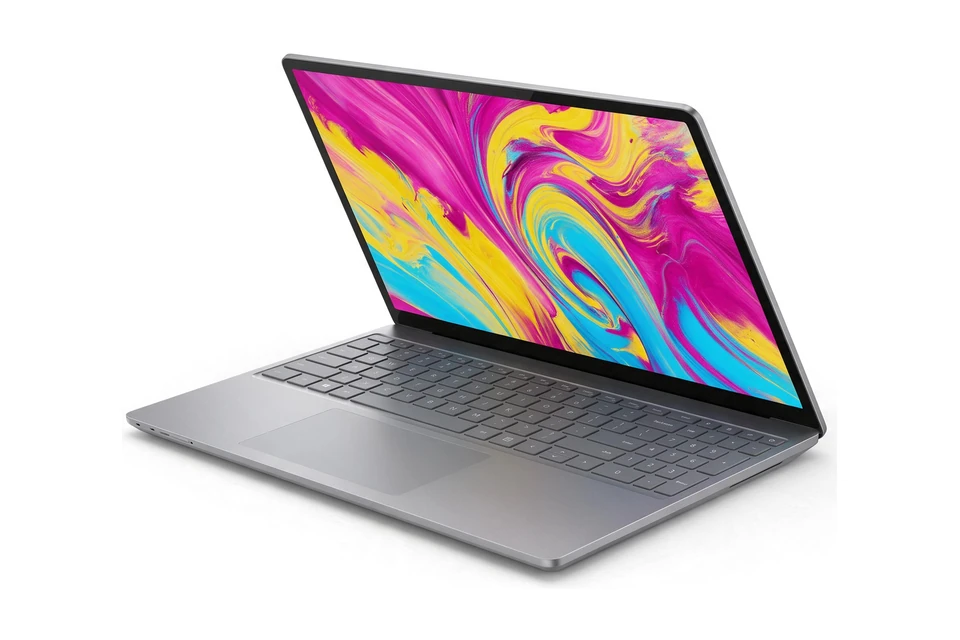
This ASUS TUF Gaming A16 has a strong AMD Ryzen 7 CPU that handles editing tasks well. The NVIDIA RTX 4050 GPU supports GPU acceleration for rendering and effects. The 16-inch screen has good resolution and a 145Hz refresh rate for smooth viewing. However, 16GB of memory and 512GB storage may limit 4K editing and large projects.
Illustration, not the exact model
This Gigabyte gaming laptop includes the NVIDIA GeForce RTX 5060, which helps speed up rendering and effects for video editing. Its AMD Ryzen AI processor provides decent performance. The 1TB SSD offers ample space for media files. The 16-inch screen with 1920 x 1200 resolution is suitable for editing tasks. However, 16GB of memory may limit efficiency with large 4K projects or complex timelines.
Illustration, not the exact model
This Acer Nitro gaming laptop has a Ryzen 7 processor and an Nvidia RTX 5060 GPU, which are strong enough for modern 1080p games. Its 16-inch display offers a fast 180Hz refresh rate for smooth visuals. With 32GB of DDR5 memory and a 1TB SSD, it handles large games and multitasking well. It weighs 4.6 pounds, balancing performance with some portability.
Illustration, not the exact model
The ASUS ROG Strix G16 offers a 16-inch screen with a 165Hz refresh rate for smooth gaming motion. It combines an Intel Core i7 processor with 16GB of RAM, which helps keep gameplay steady without slowdowns. Fast 1TB SSD storage means loading times are shorter. While it weighs nearly 6 pounds, which may affect portability, it supports modern wireless speeds with Wi-Fi 7.
Illustration, not the exact model
The MSI Thin features a powerful NVIDIA GeForce RTX 4070 GPU that can help speed up rendering and effects. Its 15.6-inch Full HD screen with 144Hz refresh is smooth for timeline playback. However, the Intel Core i5 processor and 16GB of RAM may limit performance on very complex 4K editing projects. The 512GB SSD offers fast storage but may fill up quickly with large media files.
Illustration, not the exact model
This MSI Thin laptop features a fast Intel Core i5 processor and a dedicated NVIDIA RTX 4060 GPU, helping with smooth playback and faster effects in video editing. It has a 15.6-inch Full HD screen with 144Hz refresh, which is clear enough for editing but may lack color accuracy for grading. However, the 16GB RAM and 512GB storage limit working with larger 4K projects or extensive media libraries.
Illustration, not the exact model
This Lenovo LOQ has a 15.6-inch full HD display and an RTX 4050 GPU that suits gaming at 1080p resolution. The AMD Ryzen 5 7535HS processor helps maintain smooth gameplay by preventing slowdowns. It comes with 16GB of memory and a 512GB SSD, enough for good multitasking and storage. However, the graphics card may struggle with high settings in the newest demanding games.
Illustration, not the exact model
The Apple 2026 MacBook Pro has a 14-inch Liquid Retina XDR display that shows colors vividly, important for design work. Its Apple M5 Pro chip with 15-core CPU and 16-core GPU offers smooth handling of design apps and detailed tasks. With 24GB memory and 2TB SSD, it handles large files and multiple projects well. The laptop is also reasonably light, making it easy to carry.
Illustration, not the exact model
The Apple 2026 MacBook Pro has a powerful M5 Pro chip with 15 CPU cores and 16 GPU cores for smooth timeline playback and good GPU acceleration. Its 24GB memory handles heavy editing projects well. The 2TB SSD offers ample fast storage for large media files. The 14-inch Liquid Retina XDR display supports detailed color work for grading. Weight is light enough for portability.
Illustration, not the exact model
This HP laptop features an NVIDIA GeForce RTX 4050 GPU, which helps speed up rendering and effects. It has 16GB of RAM for decent multitasking and a 512GB SSD for quick media access. The 15.6-inch Full HD screen is suitable for everyday editing, but it may not provide the color accuracy needed for professional color grading.
Illustration, not the exact model
The Gigabyte Gaming A16 includes an Intel Core i7-13620H and NVIDIA RTX 5060 GPU for smooth playback and faster rendering. It has 1TB SSD storage for quick media access. However, its 16GB RAM might limit performance with very complex 4K projects. The 16-inch 1920 x 1200 screen is acceptable but not designed for precise color grading.
As an Amazon Associate I earn from qualifying purchases.
Video editing demands serious hardware, and how much depends on the footage you work with. Editing 1080p clips for social media is far lighter than cutting 4K multicam projects or grading 6K and 8K footage for film.
The wrong laptop means dropped frames, slow exports and a frustrating workflow. Start with the resolution you edit most often and the software you use, then choose the processor, GPU, memory and storage to match. Buying for the projects you expect next year, not only today, helps the laptop last longer.
A powerful processor keeps timeline playback smooth. An Intel Core i7 or i9, or an Apple M2 Pro or Max class chip or better, is a good target for regular editing work, especially with 4K footage.
A dedicated GPU is close to essential for 4K and higher. An NVIDIA RTX 4060 or better, or the GPU in Apple Silicon, dramatically speeds up rendering, effects and exports, and enables hardware accelerated encoding and decoding. That is the difference between previewing effects in real time and waiting for renders.
16GB of RAM is the minimum for 1080p editing. 32GB is recommended for 4K work, and 64GB or more is ideal for 6K and 8K footage or complex projects with many layers and effects.
Memory affects more than raw speed. With too little RAM, editing apps fall back to slower storage, previews stutter and long sessions become less stable. If you also run a browser, music and other creative apps alongside your editor, lean toward more memory.
Video files are huge. Treat a 512GB internal SSD as the minimum and aim for 1TB or more, ideally a fast NVMe drive, because storage speed is crucial for smooth playback.
Plan for external drives too, since a single 4K project can easily reach 500GB or more. Thunderbolt ports let you work directly from fast external drives and connect a larger monitor for editing. A simple habit helps too: keep active projects on the fast internal drive and move finished work to external storage, so your laptop always has room for the next shoot.
A color-accurate display matters for grading. Look for 100% sRGB coverage, ideally with DCI-P3 coverage, and a 4K or Retina class resolution for detailed previews. If you also edit photos, our guide to laptops for photo editing covers screens in more depth.
Rendering and exporting push the processor and GPU for long periods. A good cooling system keeps performance steady through a long export instead of slowing down partway through. Gaming laptops often have strong cooling and GPUs, so our gaming laptops can double as editing machines.
Both platforms excel. Macs with Apple Silicon offer exceptional performance per watt and are optimized for Final Cut Pro, which only runs on Mac. Windows laptops offer more GPU options and better value for Premiere Pro and DaVinci Resolve workflows.
If you create across several formats, such as video, thumbnails, audio and streaming, our guide to laptops for content creation looks at the whole creator workflow.
Choose how you will use it, your budget and your operating system, and our AI assistant will suggest matches.
Not sure? Take the laptop quiz. Torn between two of these picks? Compare them side by side.
16GB is the minimum for 1080p editing, 32GB is recommended for 4K work and 64GB or more is ideal for 6K or 8K footage and complex projects with many layers and effects.
Yes, especially for 4K and higher. A dedicated NVIDIA RTX GPU or Apple Silicon dramatically speeds up rendering, effects and exports, and enables hardware accelerated encoding and decoding.
Both platforms excel. Macs with Apple Silicon offer exceptional performance per watt and are optimized for Final Cut Pro. Windows offers more GPU options and better value for Premiere Pro and DaVinci Resolve workflows.
At least a 512GB internal SSD, but 1TB or more is recommended. Plan for external drives too, because a single 4K project can easily reach 500GB or more. NVMe SSD speed is crucial for smooth playback.
Or browse every laptop buying guide by use case, budget and type.
AI Assistant
Quick responses:
Press Enter to send • Shift+Enter for new line